
How Fascia and Soffit Damage Can Signal Roofing Trouble
Fascia and soffit problems are easy to dismiss because they sit along the roofline and often look like trim issues rather than roofing concerns. In many homes, though, those materials become some of the first places where moisture, poor ventilation, and drainage trouble start to show. When homeowners begin thinking about roof repair brigham city, damage along the fascia and soffit can offer important clues about what is happening at the roof edge before leaks become more obvious indoors.
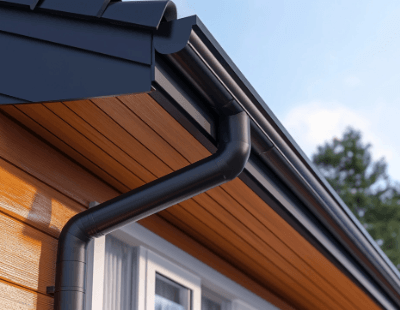
These areas matter because they connect the roofing system to the rest of the exterior. Fascia helps support the gutter line and closes off the roof edge, while soffit covers the underside of the overhang and often helps attic airflow. When either one starts to stain, swell, crack, or soften, the problem is often tied to water movement or trapped moisture rather than simple cosmetic wear.
Fascia Damage Often Starts With Water That Is Not Moving Off The Roof Properly
One of the clearest reasons fascia begins to fail is repeated exposure to water at the roof edge. Rain should move off the shingles, into the gutter, and away from the home in a controlled path. When that path breaks down, runoff can curl backward, spill over, or soak the board behind the gutter again and again.
This can happen when gutters clog, when the drip edge is missing or bent, or when shingles no longer guide water cleanly off the roof. In those situations, the fascia may stay damp far longer than it should. Paint begins to peel, wood may swell, and the board can slowly soften over time. What appears to be trim damage from the ground may actually be a sign that the roof edge is no longer shedding water as it was designed to.
Soft Or Stained Soffit Panels Can Point To Hidden Moisture Around The Eaves
Soffit damage deserves close attention because it often reflects conditions that are harder to see from outside. If water is getting behind the fascia, backing up under the lower edge of the roof, or collecting near the eaves, the soffit can begin to show that stress through discoloration, sagging, or rot.
In some cases, moisture reaches the soffit from above. In others, humid attic air escapes poorly and condenses near the underside of the overhang. Either way, the soffit becomes a visible warning area. A stain or soft spot beneath the roof edge may be one of the first signs that moisture is lingering where it should not be.
This matters because the problem may not stay limited to the soffit panel itself. If water is moving into the eave area, nearby decking, rafter tails, or fastener points may also be exposed. By the time the underside looks obviously damaged, the surrounding roof edge may already need more than a surface-level fix.
Poor Ventilation Can Make Soffit Problems More Than An Exterior Issue
Soffit panels are not only there to close in the underside of the roof. Many of them also play a role in attic ventilation by allowing outside air to enter at the lowest part of the roof system. When airflow is blocked or moisture builds in the attic, the soffit area can start showing signs of stress.
Paint blistering, mildew, dark staining, and damp wood near vented soffits can sometimes indicate that humidity is not properly escaping from the attic space. That means the roofing trouble may not begin with rain at all. It may begin with trapped heat and moisture working from the inside out.
This is one reason fascia and soffit damage should not be treated as isolated carpentry problems. If the roof system is not ventilating properly, repairs that only replace the visible panel may not address the underlying cause. The material may look better for a while, but the same moisture conditions can continue to affect the roof edge.
Gutter Stress Can Turn Fascia Damage Into A Roofing Repair Issue
Because gutters are mounted along the fascia line, fascia issues often overlap with drainage issues. A board that has started to rot may no longer hold gutter fasteners securely. Once that happens, the gutter can pull away slightly, worsening water control during the next storm.
That creates a cycle. Water damages the fascia, weakened fascia affects gutter attachment, and gutter movement allows even more water to reach the roof edge. Over time, this can increase the chance of damage to starter shingles, underlayment, and the lower edge of the roof deck.
This is where fascia damage stops being a trim issue and starts becoming part of a larger roofing concern. Homeowners looking into roof repair brigham city should pay attention when gutter lines look uneven or when the wood behind them appears swollen, cracked, or soft. Those details can indicate ongoing exposure affecting both the roof perimeter and the materials attached to it.
Small Exterior Clues Can Reveal Bigger Roof Edge Problems
Some of the most useful warning signs are subtle at first. Peeling paint, a seam opening at the soffit, a gutter nail pulling loose, or a dark line along the fascia may not seem urgent on their own. Together, though, they often suggest that water or humidity has been working on the same area for a while.
That pattern is what makes fascia and soffit damage worth taking seriously. These materials are installed in a part of the home where roof drainage, attic airflow, and exterior protection meet. When they start to break down, they can reveal problems with runoff, ventilation, or hidden moisture before major interior symptoms appear.
See also: What Is Technology and Why It Matters
Early Attention Helps Limit How Far The Damage Spreads
Fascia and soffit damage is often easier to manage when it is caught early and traced back to the actual source. That may mean correcting gutter overflow, replacing damaged edge metal, improving ventilation, or repairing roofing materials near the eaves. The key is understanding that visible wood damage along the roofline is often a symptom, not the whole problem.
When homeowners wait until boards are badly rotted or panels begin falling apart, the repair scope can widen quickly. Moisture may already have reached the roof deck or weakened the edge structure to the point that more extensive work is required. Looking closely at the condition of the fascia and soffit can help identify roofing issues sooner, giving homeowners a better chance to fix the root cause before the damage spreads deeper into the system.